

JAMALA RAHMANLI

JAMALA RAHMANLI
is a German artist of Azerbaijan origin who works in the field of painting, graphic, and textile art.
Jamala Rahmanli is a German artist of Azerbaijan origin who works in the field of painting, graphic, and textile art.
She was born and raised in Baku, on the Absheron Peninsula, where the desert light, sand, architecture, and carpets form a complex visual grammar. This perception of the world as a fabric woven from signs became the foundation of her artistic thinking.
Jamala graduated from the Azerbaijan State Academy of Fine Arts, where she began participating in international exhibitions. Simultaneously, she worked at the Museum of the History of Azerbaijan, focusing on the restoration of textiles and carpets. This experience laid the groundwork for her future research.
From 2013 to 2016, she founded and ran her own art studio in Baku, combining teaching and curatorial work ... read more
She was born and raised in Baku, on the Absheron Peninsula, where the desert light, sand, architecture, and carpets form a complex visual grammar. This perception of the world as a fabric woven from signs became the foundation of her artistic thinking.
Jamala graduated from the Azerbaijan State Academy of Fine Arts, where she began participating in international exhibitions. Simultaneously, she worked at the Museum of the History of Azerbaijan, focusing on the restoration of textiles and carpets. This experience laid the groundwork for her future research.
From 2013 to 2016, she founded and ran her own art studio in Baku, combining teaching and curatorial work ... read more

More artworks
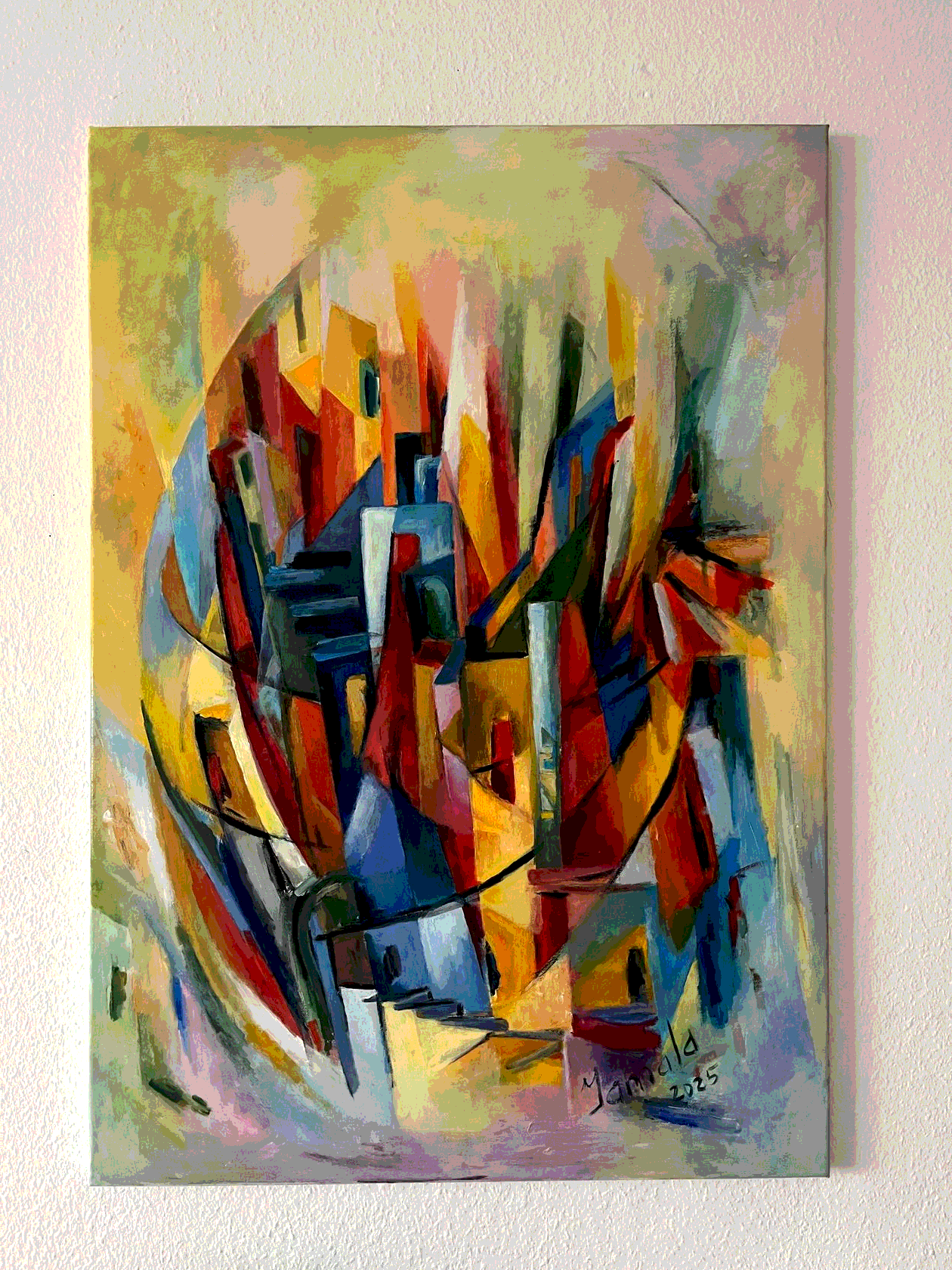
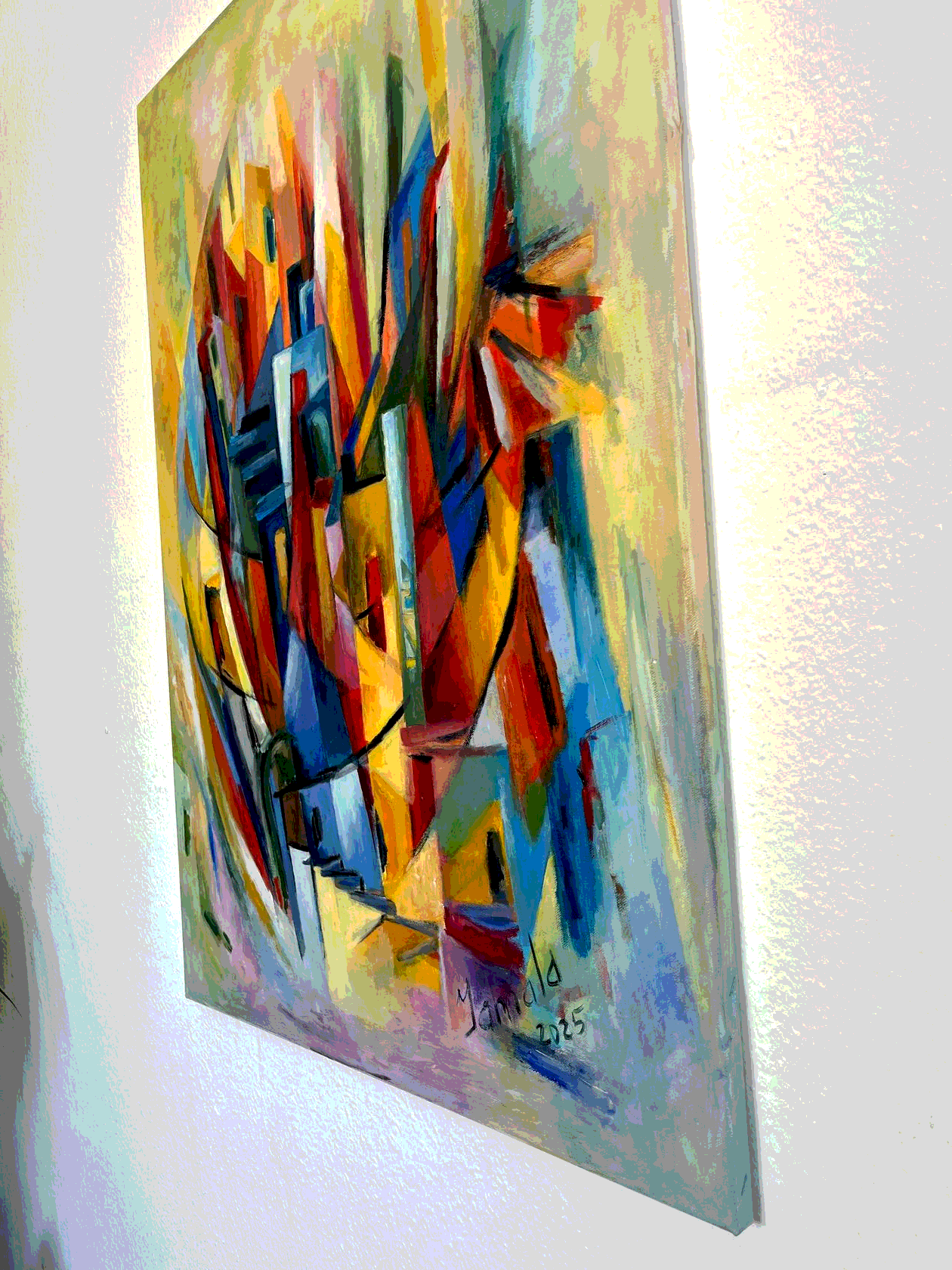
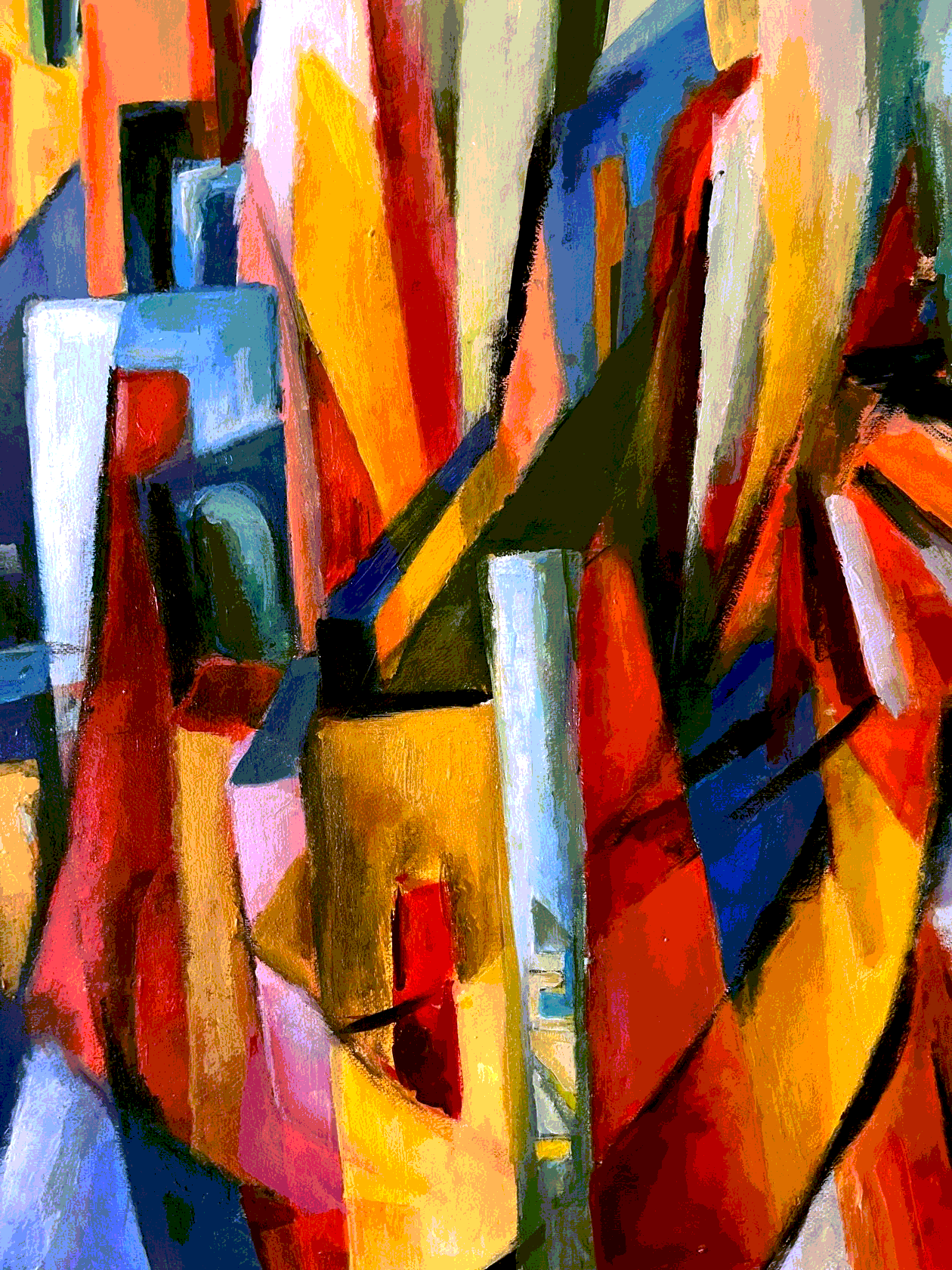
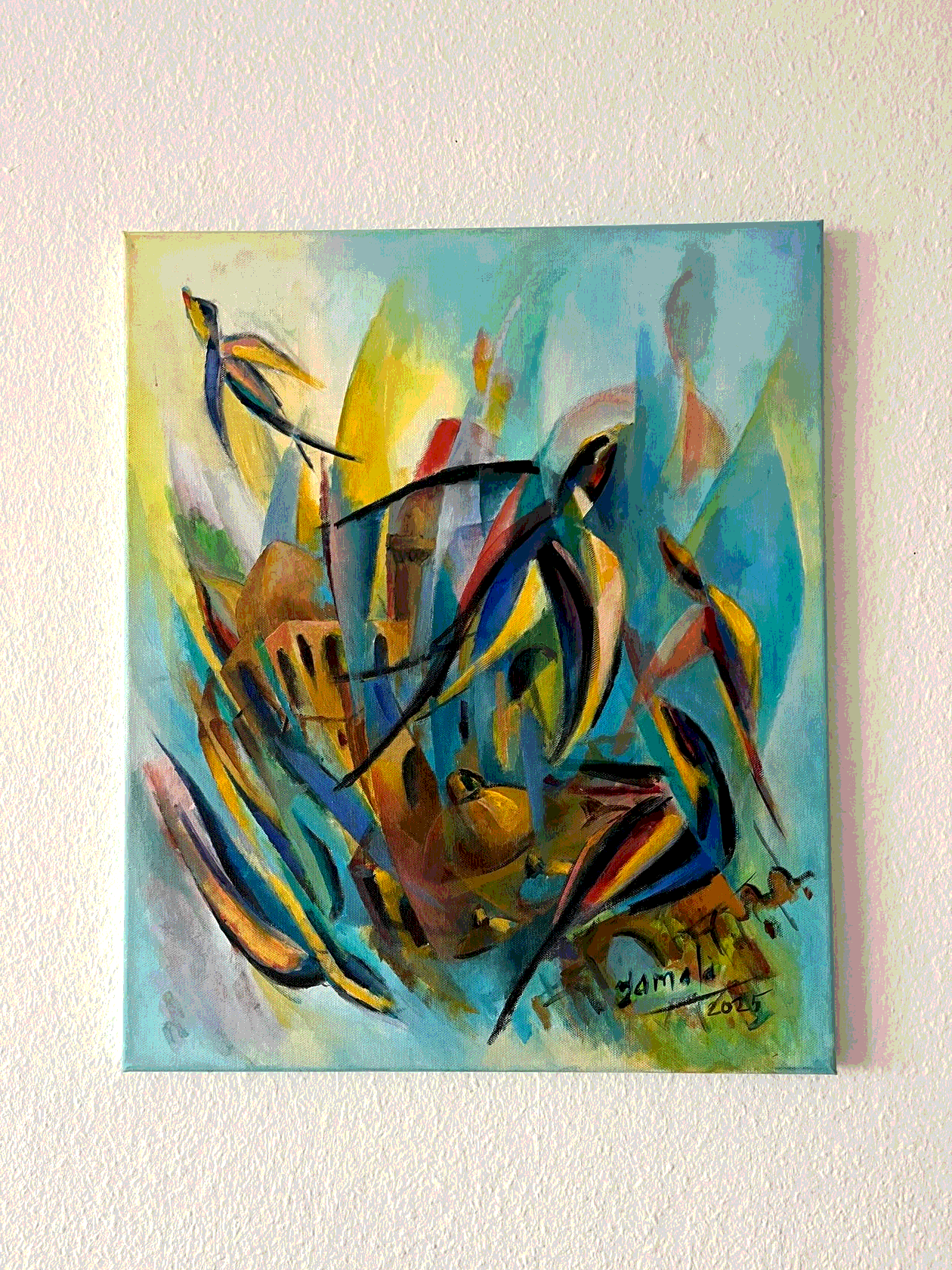
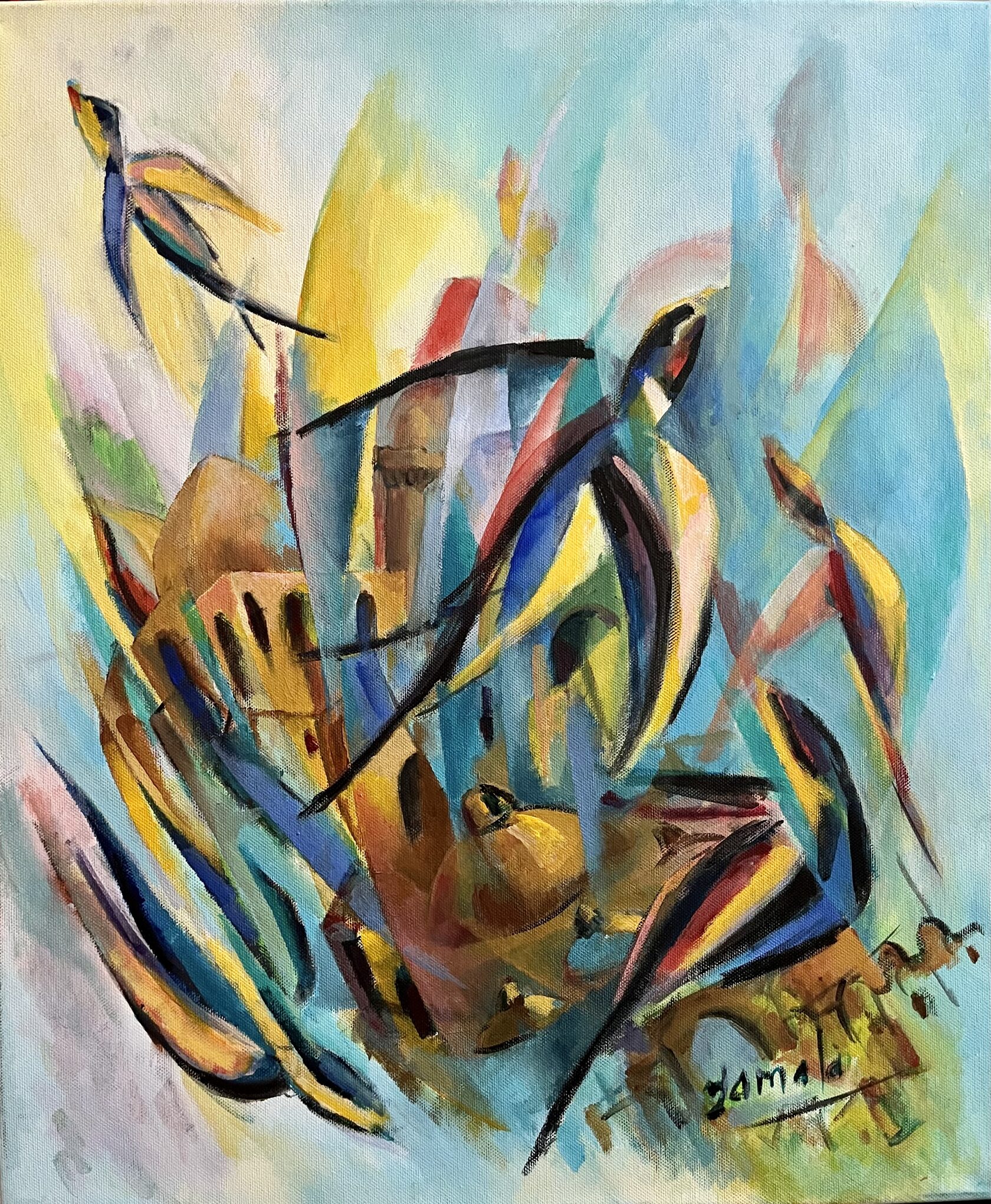
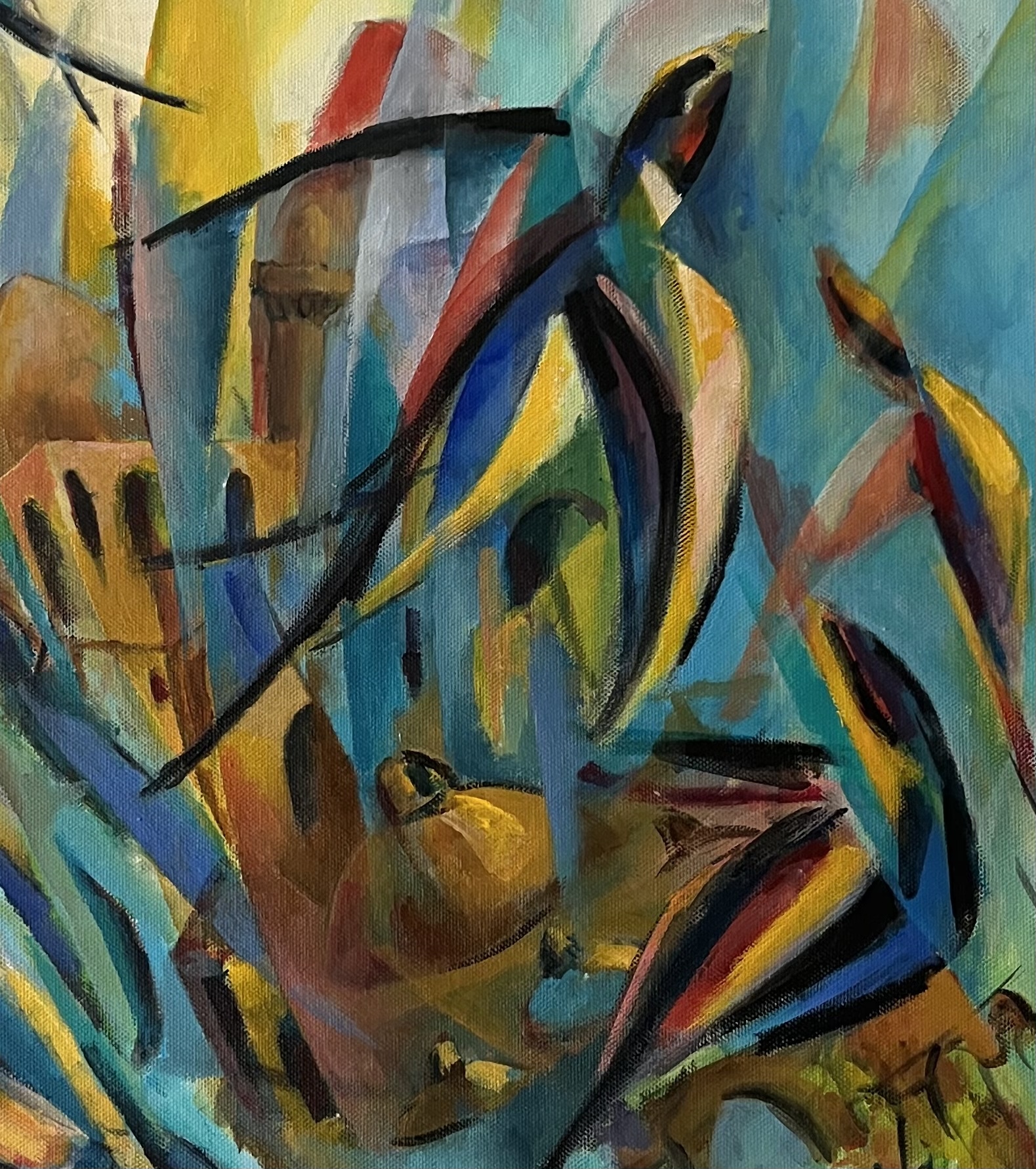
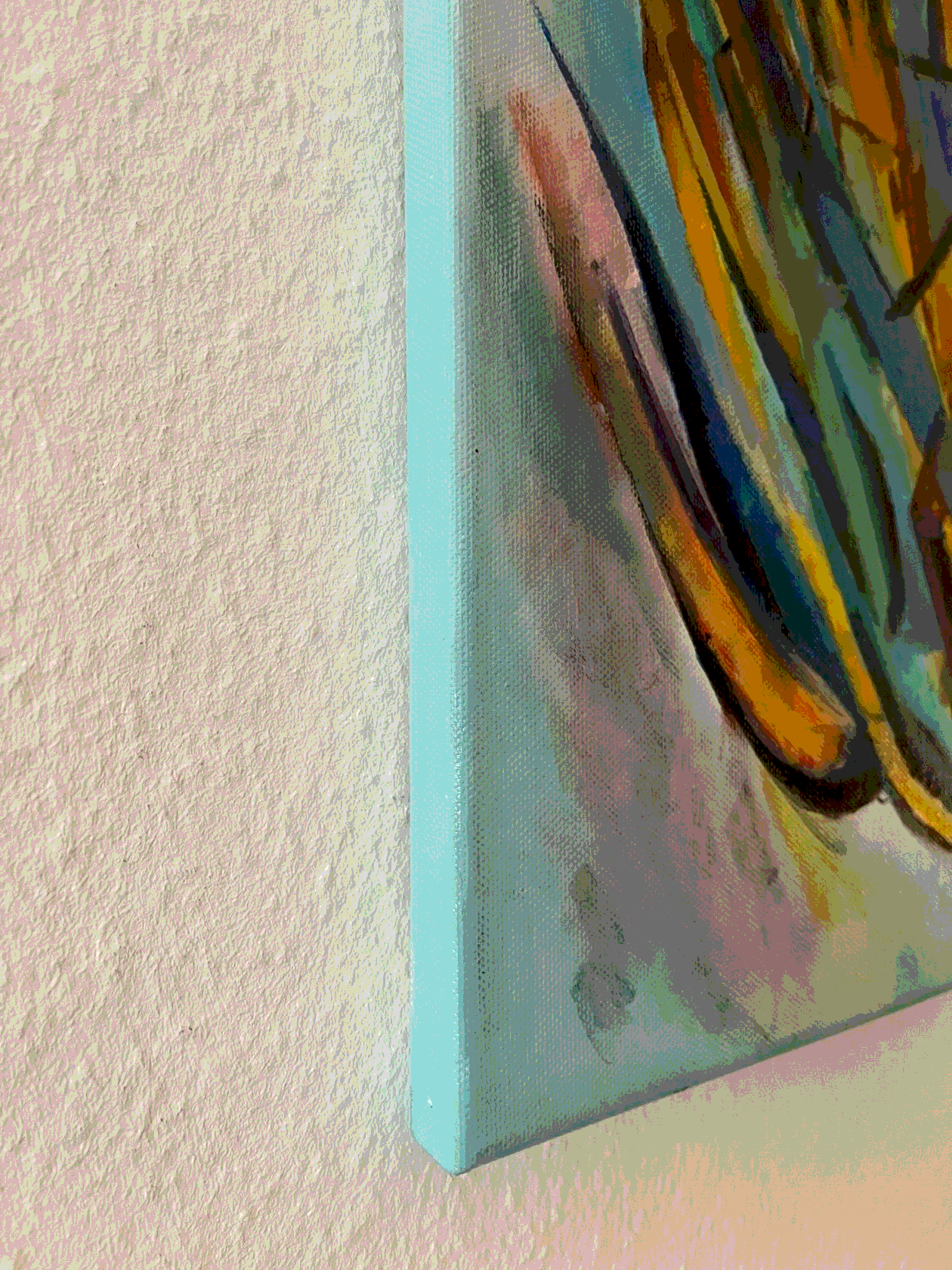
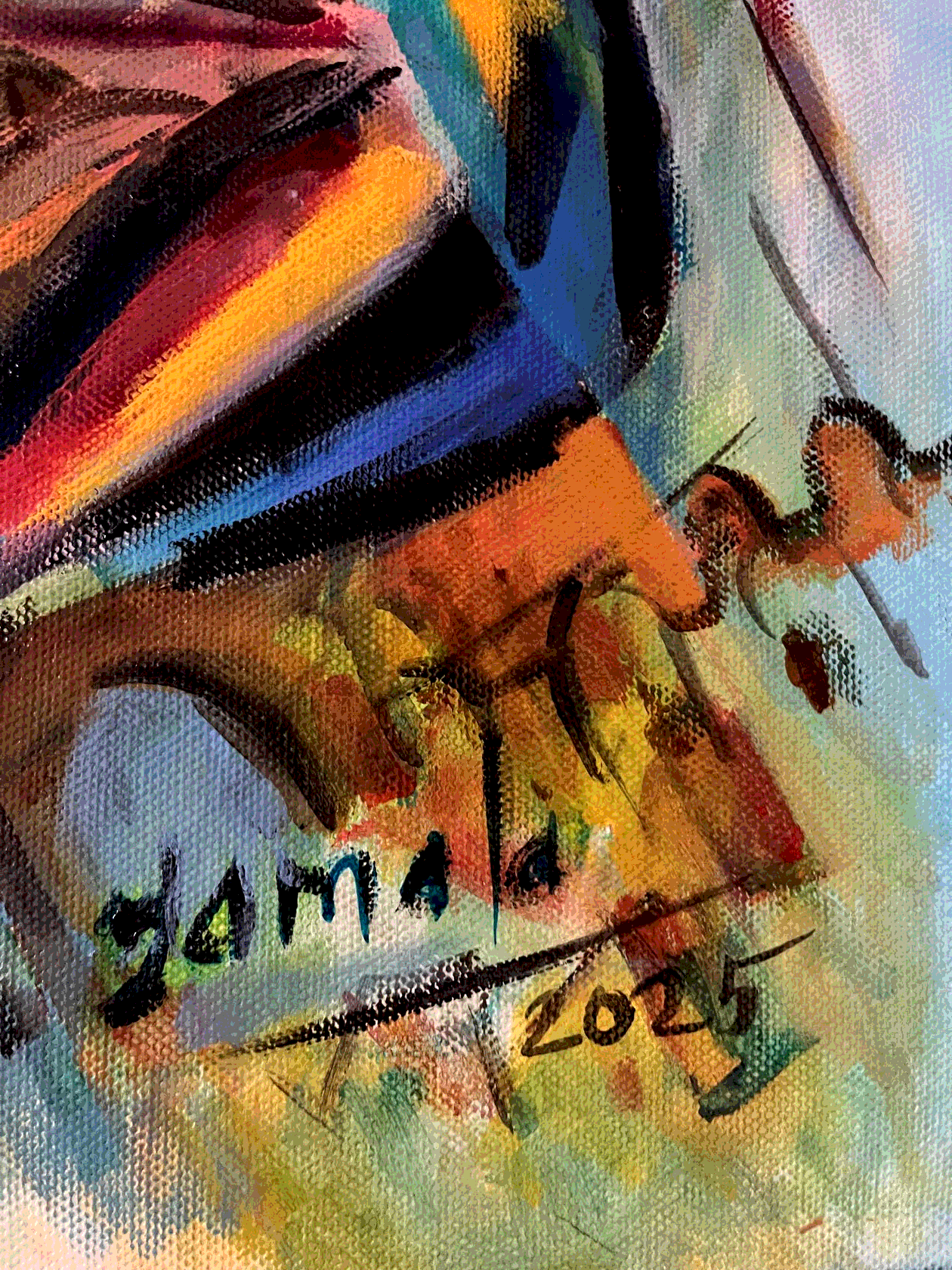
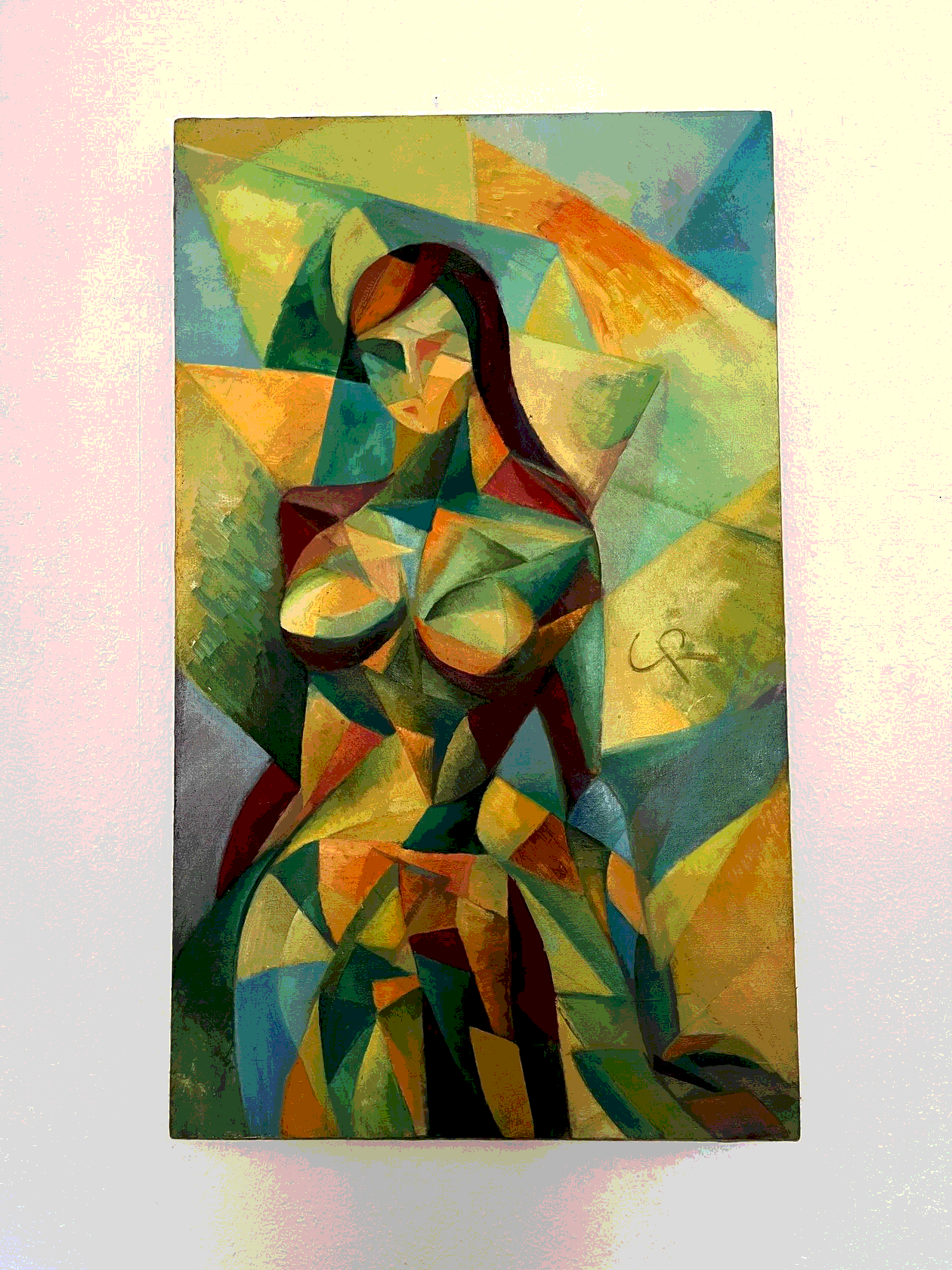
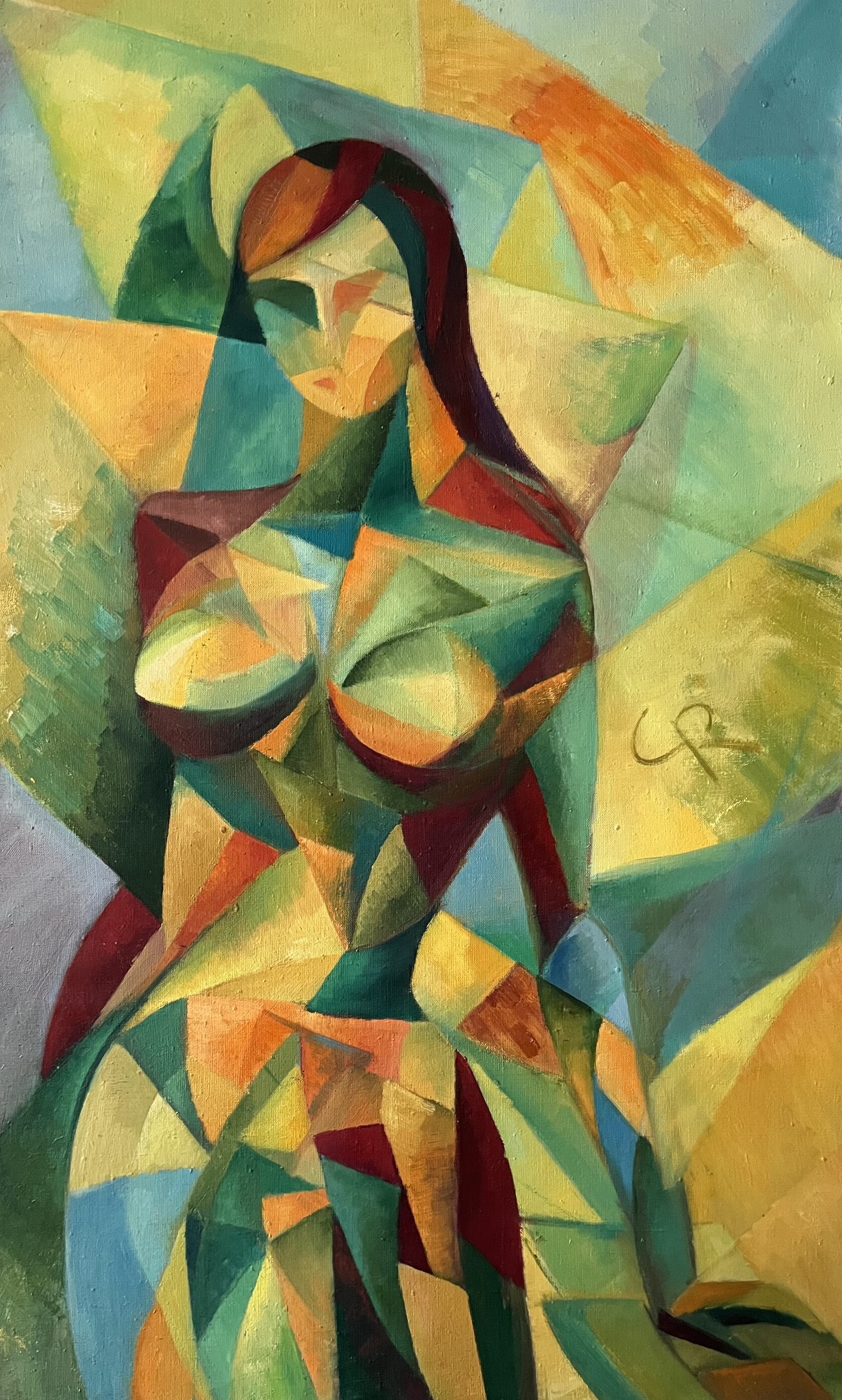
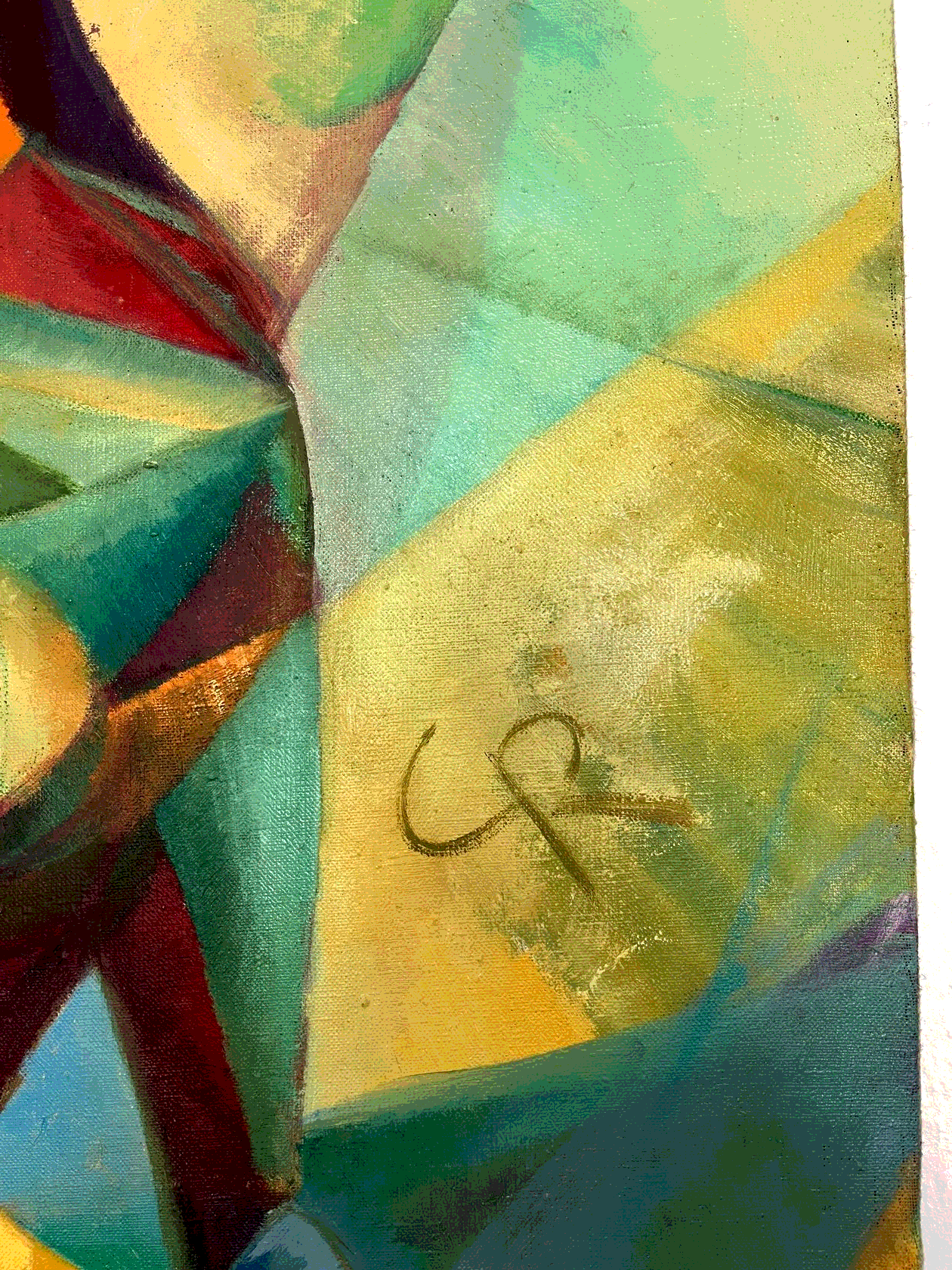
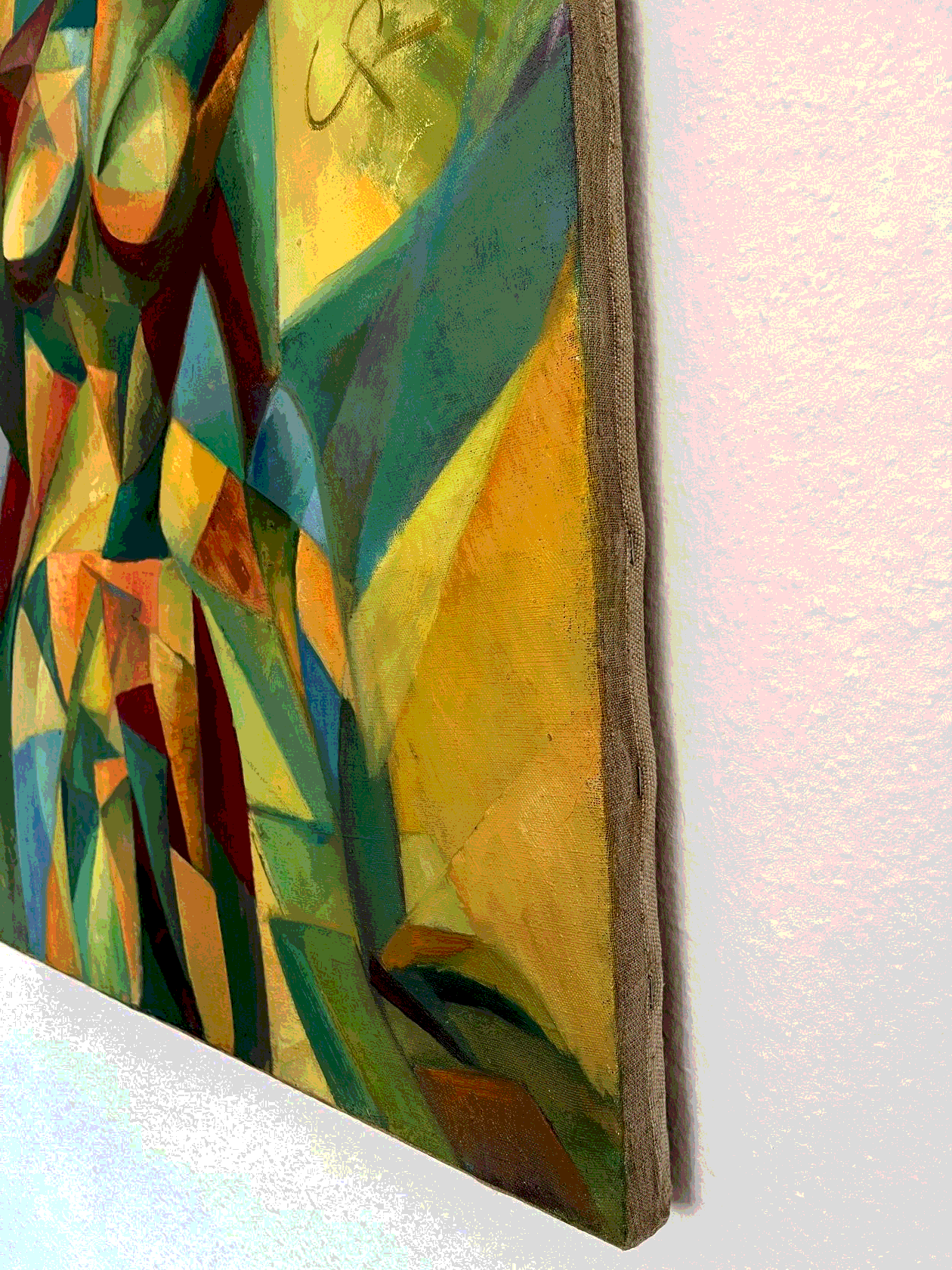
More artworks
BIO
Jamala Rahmanli is a German artist of Azerbaijan origin who works in the field of painting and textile art.
She was born and raised in Baku, on the Absheron Peninsula, where the desert light, sand, architecture, and carpets form a complex visual grammar. This perception of the world as a fabric woven from signs became the foundation of her artistic thinking.
Jamala graduated from the Azerbaijan State Academy of Fine Arts, where she began participating in international exhibitions. Simultaneously, she worked at the Museum of the History of Azerbaijan, focusing on the restoration of textiles and carpets. This experience laid the groundwork for her future research.
From 2013 to 2016, she founded and ran her own art studio in Baku, combining teaching and curatorial work.
The post-Soviet transformation, ethnic and religious shifts in the region, the experience of living at a historical crossroads, and the loss of previous identities are all reflected in her interest in questions of self-identification, memory, and the female voice in culture.
Since 2020, the artist has been living in Germany. The relocation marked a turning point in her practice: a return to traditional ornament and carpet symbolism, reinterpreted through dialogue with the European context and contemporary visual language.
Today, Jamala seeks to integrate in her work everything that has shaped her as an artist: the tactile memories of childhood, the philosophy of ornament, the landscape of Absheron, and the experience of navigating between cultures — transforming these layers into a visual statement on transformation and the search for inner grounding.
Jamala Rahmanli is a German artist of Azerbaijan origin who works in the field of painting and textile art.
She was born and raised in Baku, on the Absheron Peninsula, where the desert light, sand, architecture, and carpets form a complex visual grammar. This perception of the world as a fabric woven from signs became the foundation of her artistic thinking.
Jamala graduated from the Azerbaijan State Academy of Fine Arts, where she began participating in international exhibitions. Simultaneously, she worked at the Museum of the History of Azerbaijan, focusing on the restoration of textiles and carpets. This experience laid the groundwork for her future research.
From 2013 to 2016, she founded and ran her own art studio in Baku, combining teaching and curatorial work.
The post-Soviet transformation, ethnic and religious shifts in the region, the experience of living at a historical crossroads, and the loss of previous identities are all reflected in her interest in questions of self-identification, memory, and the female voice in culture.
Since 2020, the artist has been living in Germany. The relocation marked a turning point in her practice: a return to traditional ornament and carpet symbolism, reinterpreted through dialogue with the European context and contemporary visual language.
Today, Jamala seeks to integrate in her work everything that has shaped her as an artist: the tactile memories of childhood, the philosophy of ornament, the landscape of Absheron, and the experience of navigating between cultures — transforming these layers into a visual statement on transformation and the search for inner grounding.
ARTIST'S STATEMENT
I am a stranger among strangers and a stranger among my own.
My art is my personal story. I was brought up in the Eastern traditions, which were in contact and intertwined with Western culture. Their contradictory nature raised the question of self-identity, which led to the research of my cultural heritage.
In my artistic practice, I explore cultural codes and refer to the ancient traditions of Azerbaijan, reinterpreting them in the context of the modern woman.
One of the themes is the tradition of carpet weaving, an indigenous female craft, in which one had to have knowledge of the golden ratio, composition, harmony and precise calculation, as each knot had its place in complex ornamental compositions. The patterns and their symbolism were handed down from generation to generation and were strictly observed.
My research delves deeply into the contemporary issues of women's role
in history and her current position: as a modern woman, I do not possess the skills of my great-grandmother, but I possess other skills.
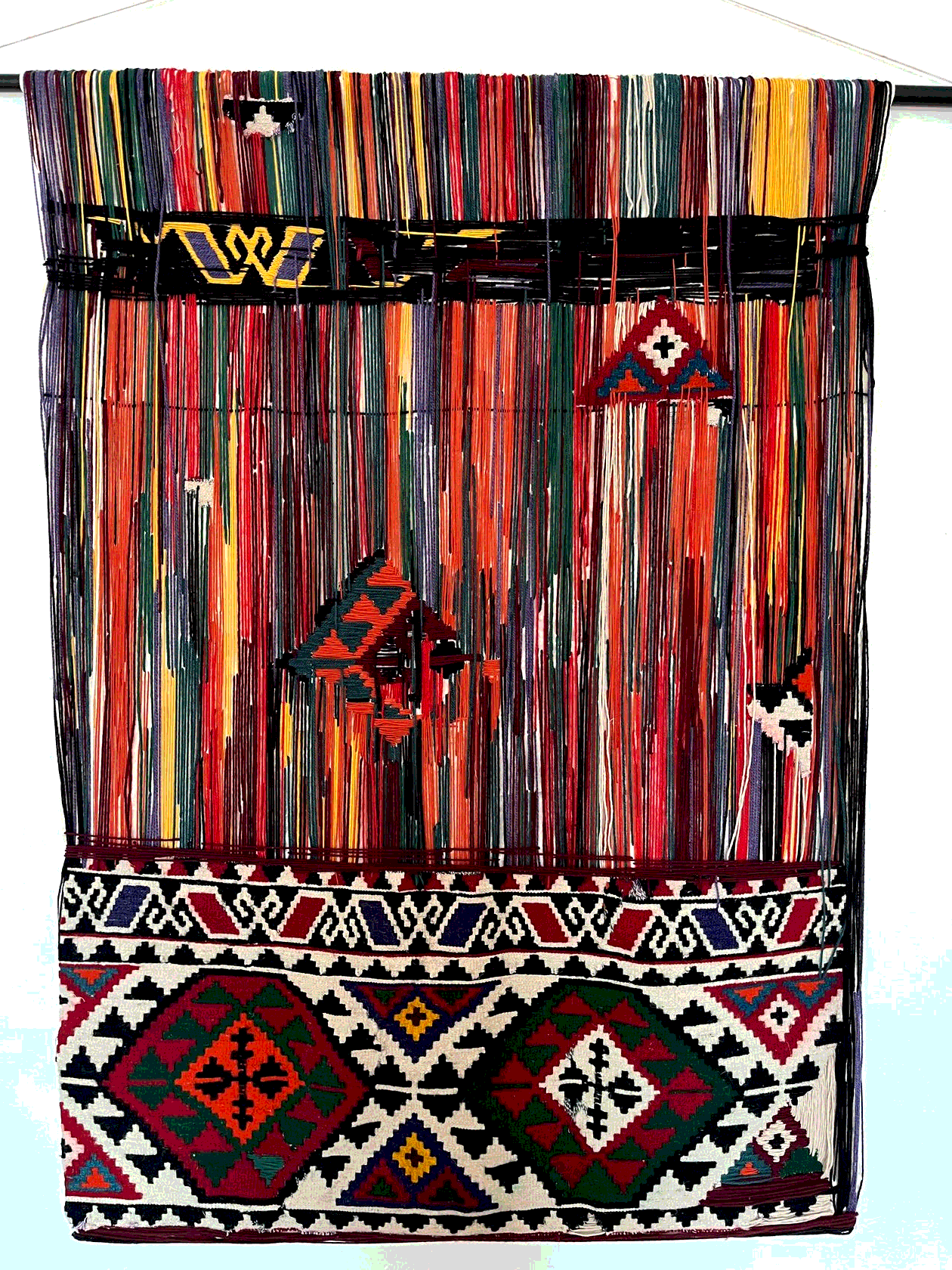
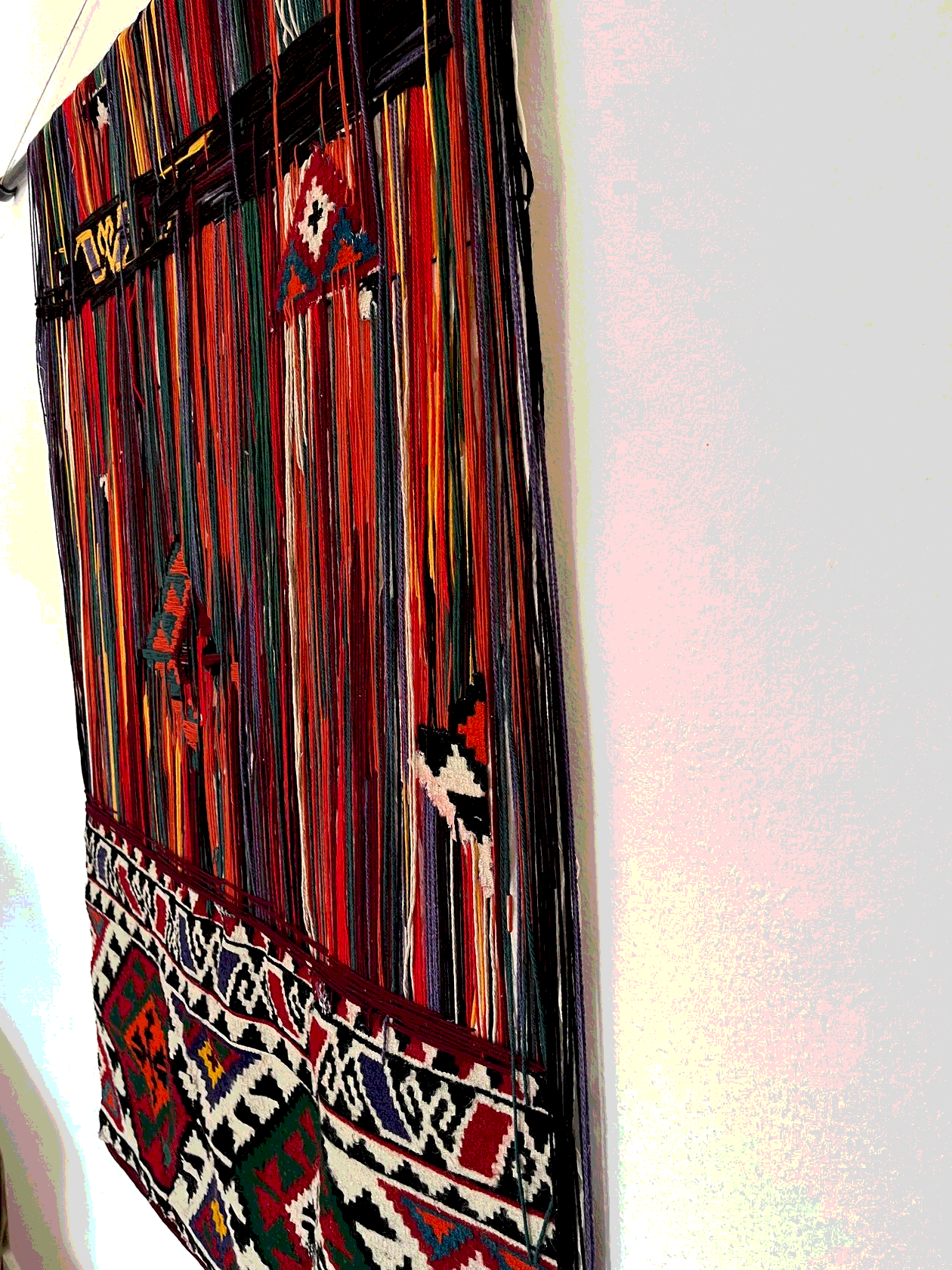
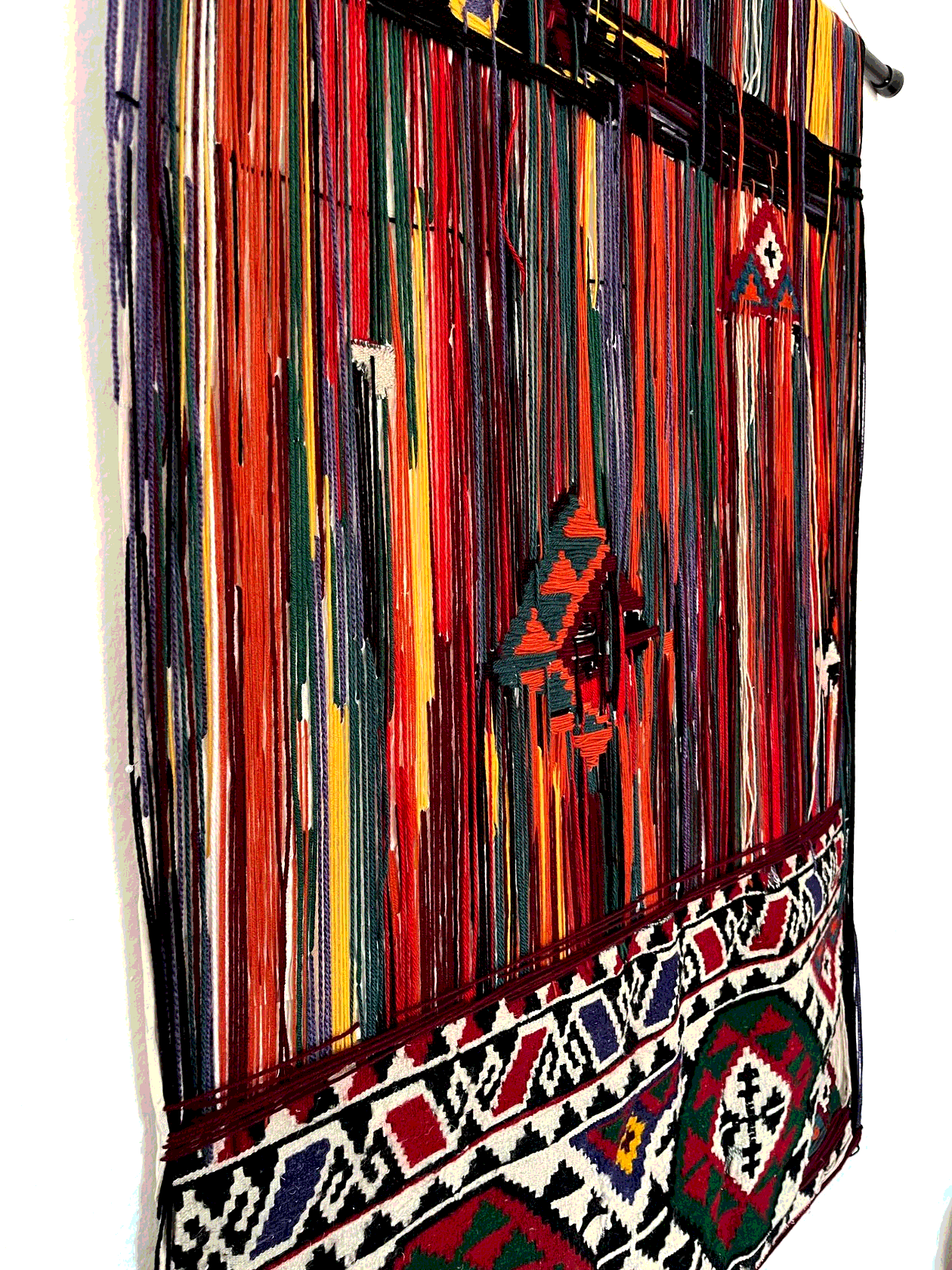
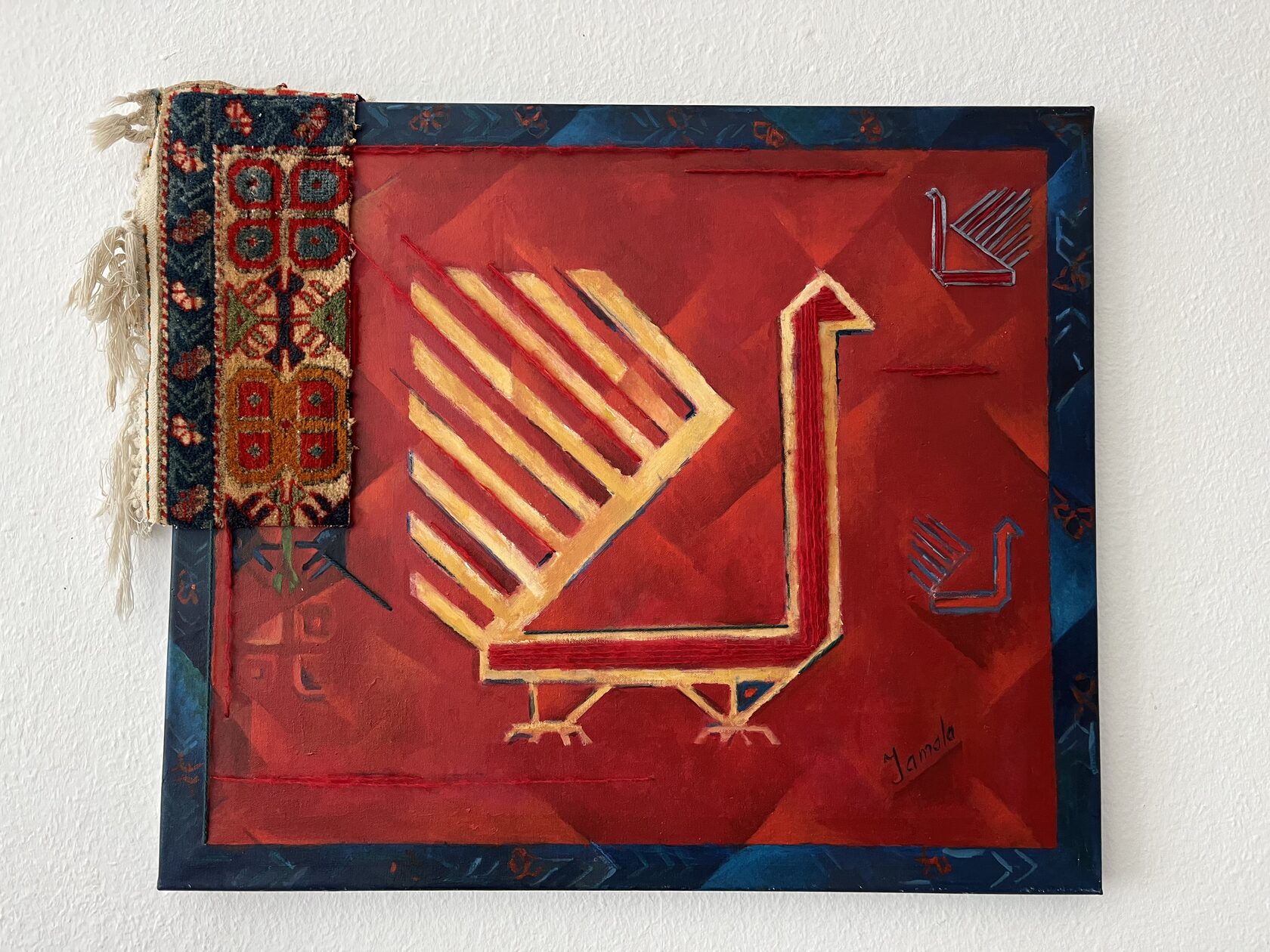
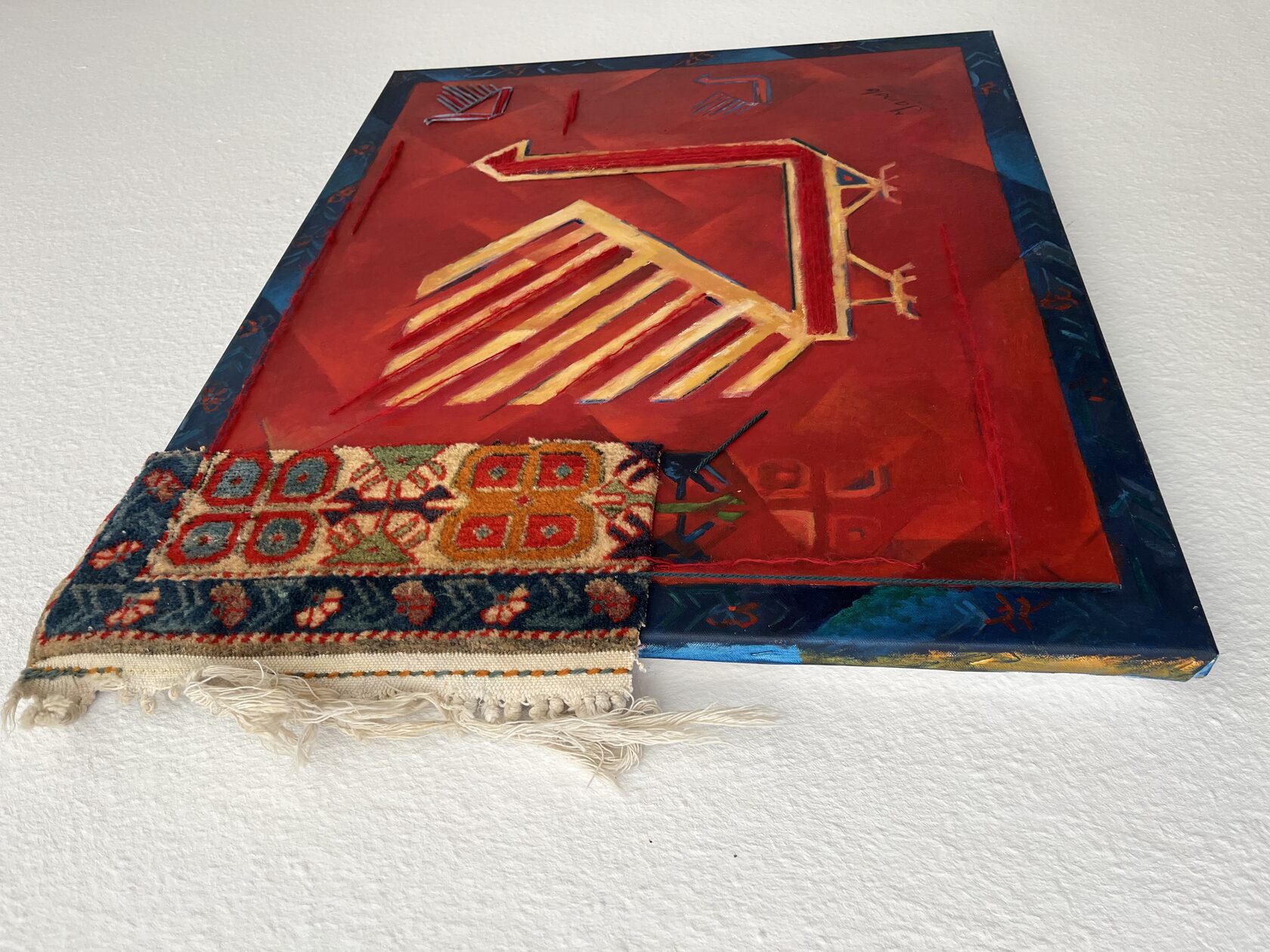
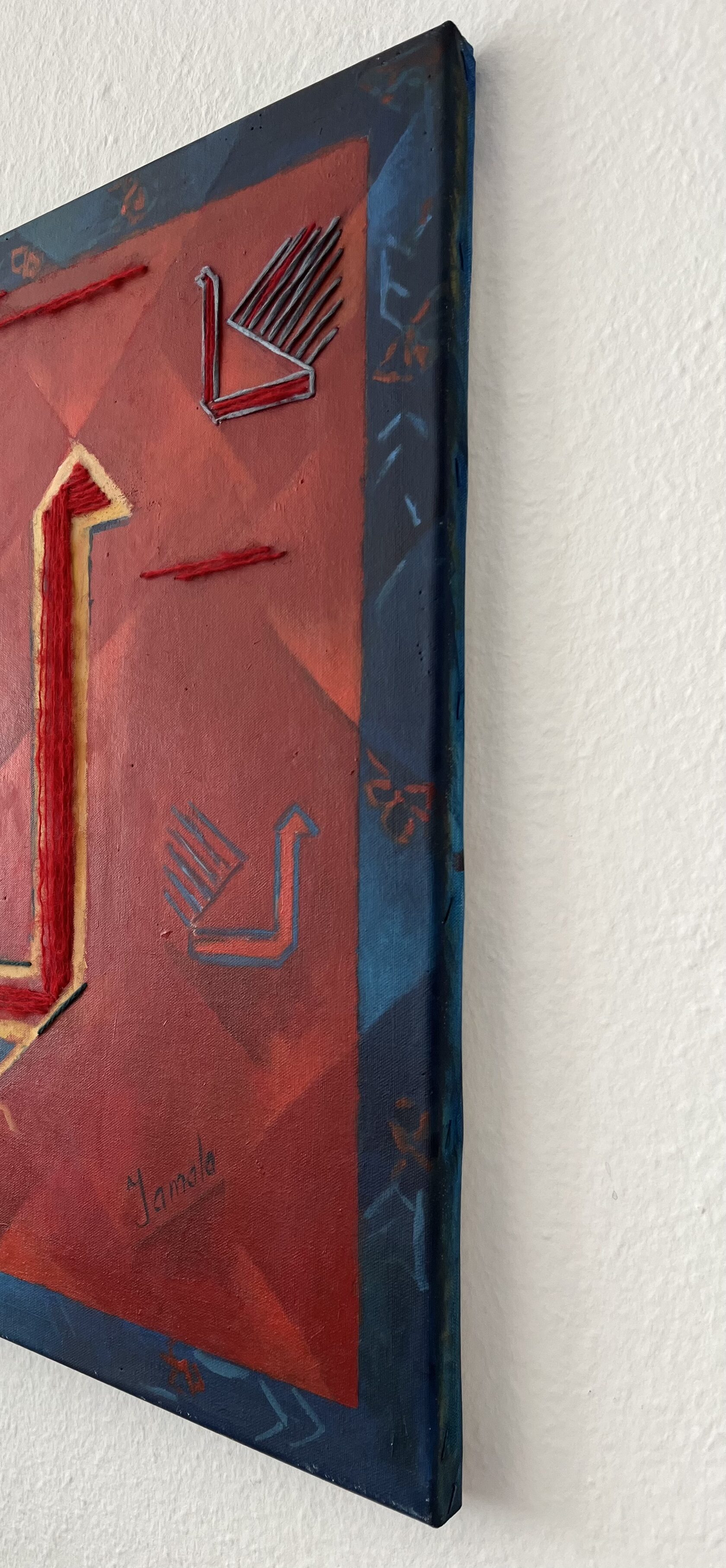
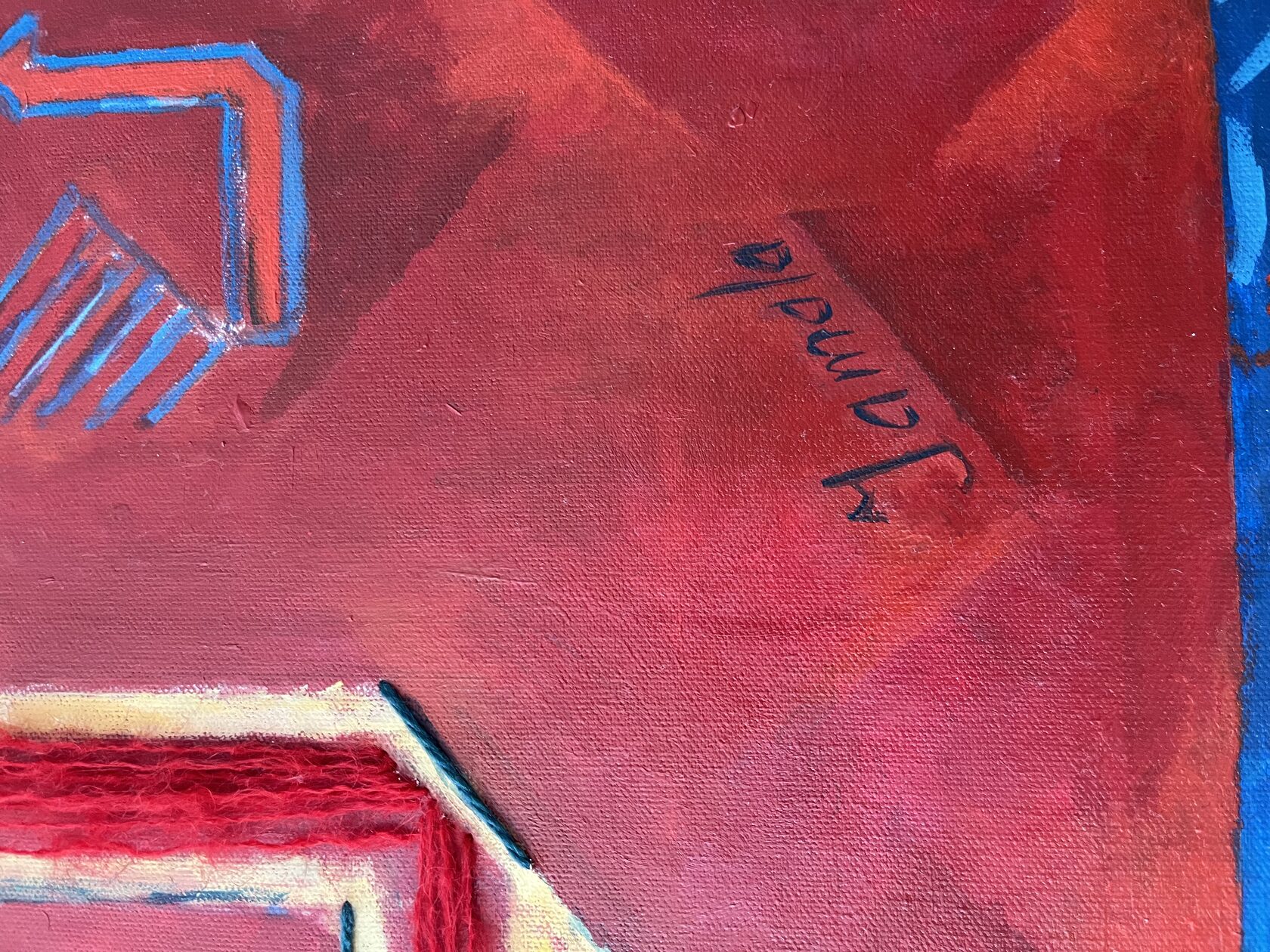
I have inherited pieces of carpet, which I can use thread and wool to weave or sew onto canvas and turn into a new work. I create abstractions as a symbol of the loss of cultural heritage and revival based on old cultural codes and the introduction of new ones, using the example of Azerbaijani and Mexican carpets.
I observe the integration, modification, interaction of traditions, their relevance, applicability in order to compare them with others, to explore and show the commonality of cultures.
I am a stranger among strangers and a stranger among my own.
My art is my personal story. I was brought up in the Eastern traditions, which were in contact and intertwined with Western culture. Their contradictory nature raised the question of self-identity, which led to the research of my cultural heritage.
In my artistic practice, I explore cultural codes and refer to the ancient traditions of Azerbaijan, reinterpreting them in the context of the modern woman.
One of the themes is the tradition of carpet weaving, an indigenous female craft, in which one had to have knowledge of the golden ratio, composition, harmony and precise calculation, as each knot had its place in complex ornamental compositions. The patterns and their symbolism were handed down from generation to generation and were strictly observed.
My research delves deeply into the contemporary issues of women's role
in history and her current position: as a modern woman, I do not possess the skills of my great-grandmother, but I possess other skills.
I have inherited pieces of carpet, which I can use thread and wool to weave or sew onto canvas and turn into a new work. I create abstractions as a symbol of the loss of cultural heritage and revival based on old cultural codes and the introduction of new ones, using the example of Azerbaijani and Mexican carpets.
I observe the integration, modification, interaction of traditions, their relevance, applicability in order to compare them with others, to explore and show the commonality of cultures.
CV
Solo exhibitions:
2019 Cyprus Modern Art Museum, Ortakoy,Nicosia, Cyprus
2018 Baku Jazz Festival, Landmark, Baku, Azerbaijan
2017 Center of UNESCO, Paris, France
2015 Russkiy MirGallery, Paris, France
Selected group exhibitions:
2026 Discovery Art Fair, Cologne,Germany
2024 Kiel Art Fair, Germany
2020 Paris Art Shopping Carrusel de Louvre, Paris, France
2018 Forli Fiera Vernice Art Fair, Forli, Italy
2018 Passpartout Unconditional Gallery, Milan, Italy
Solo exhibitions:
2019 Cyprus Modern Art Museum, Ortakoy,Nicosia, Cyprus
2018 Baku Jazz Festival, Landmark, Baku, Azerbaijan
2017 Center of UNESCO, Paris, France
2015 Russkiy MirGallery, Paris, France
Selected group exhibitions:
2026 Discovery Art Fair, Cologne,Germany
2024 Kiel Art Fair, Germany
2020 Paris Art Shopping Carrusel de Louvre, Paris, France
2018 Forli Fiera Vernice Art Fair, Forli, Italy
2018 Passpartout Unconditional Gallery, Milan, Italy